Investigating How Volatility Levels Shape Engagement Durations Among Progressive Jackpot Enthusiasts During Regional Sports Tournaments
Skriven av Theo Günther · 2026-09-28
Investigating How Volatility Levels Shape Engagement Durations Among Progressive Jackpot Enthusiasts During Regional Sports Tournaments
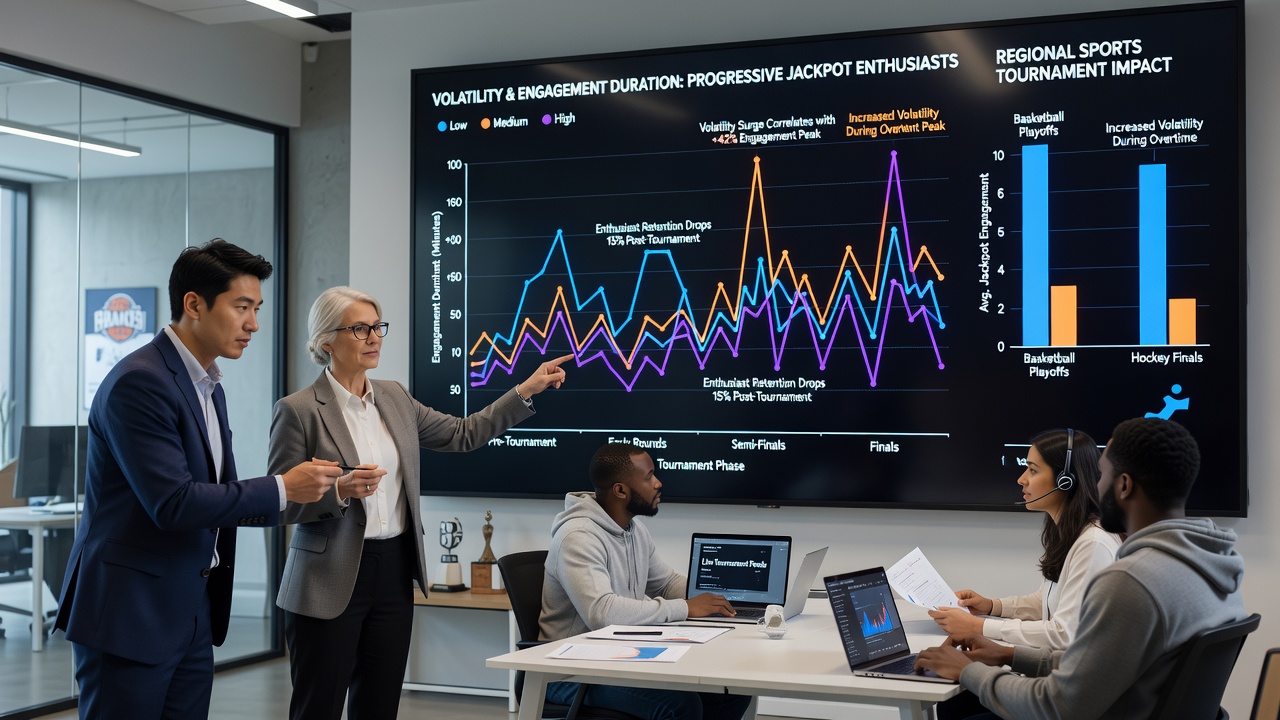
Volatility in progressive jackpot games refers to the frequency and size of payouts, and researchers track how these mechanics influence session lengths when enthusiasts participate during regional sports tournaments. Data from multiple markets shows that high-volatility titles often produce shorter but more intense engagement bursts, whereas lower-volatility options sustain longer play periods amid the distractions of live events. Observers note patterns emerging when major regional competitions coincide with increased casino floor traffic, and studies indicate these overlaps create measurable shifts in how long players remain at terminals.
Defining Volatility Levels in Progressive Systems
Progressive jackpots accumulate across networks of machines, and volatility determines whether wins occur frequently with modest increments or rarely with substantial growth. Analysts at institutions such as the University of Nevada, Reno have documented that enthusiasts select games based on personal risk tolerance, yet external factors like tournament schedules alter those choices. During peak sports periods, for instance, many participants gravitate toward mid-volatility progressives because the steady drip of smaller wins maintains momentum without requiring full attention. Figures from regulated markets reveal that session averages extend when volatility aligns with the intermittent nature of event viewing, allowing players to monitor scores while reels spin.
Patterns Observed During Regional Events
Regional sports tournaments generate surges in foot traffic at gaming venues, and engagement data collected across North American and Australian properties highlights distinct responses to volatility. In September 2026, several multi-day basketball and hockey events coincided with elevated jackpot activity, and tracking software captured extended durations on low-volatility progressives compared to high-volatility counterparts. Players often alternated between watching matches and placing spins, yet high-volatility games prompted quicker exits once initial stakes were exhausted without a payout. Those who studied these intervals found that low-volatility machines retained participants for periods averaging 45 minutes longer during overlapping tournament windows.
What's interesting is how mobile integration amplifies these effects, since many enthusiasts check live scores on personal devices while machines run. Research indicates that mid-volatility progressives benefit most from this divided attention, because regular small wins provide feedback loops that compete with external entertainment. Canadian provincial reports compiled by the Alcohol and Gaming Commission of Ontario further demonstrate that tournament-adjacent play sessions cluster around games with moderate volatility ranges, reducing the likelihood of abrupt departures when a favored team scores.
Comparative Data Across Markets
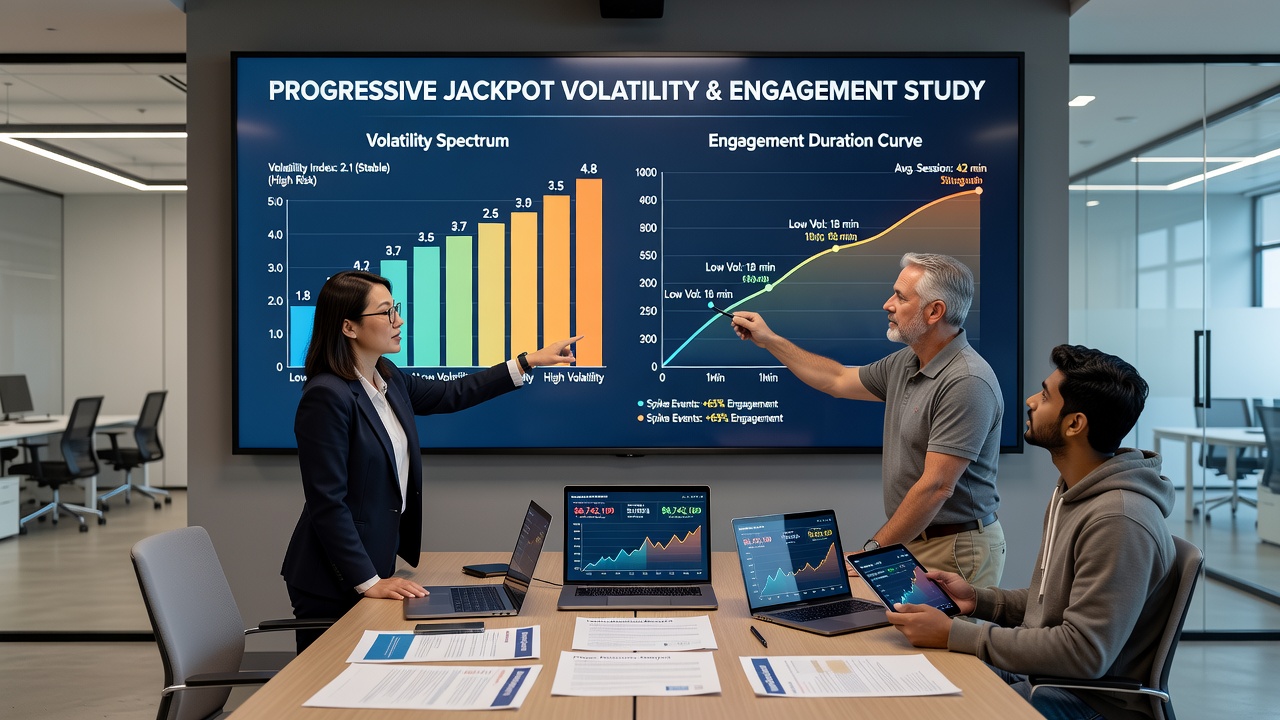
Cross-regional comparisons reveal consistent trends, although local regulations and event types introduce variations. Australian research coordinated through the Australian Gambling Research Centre found that progressive jackpot enthusiasts in states hosting major cricket tournaments spent additional time on low-volatility networks, while high-volatility machines saw rapid turnover once matches reached critical moments. European operators tracking similar festivals reported parallel outcomes, with session lengths stretching when volatility settings allowed players to sustain smaller balances over extended intervals. These observations hold across different time zones and cultural contexts, suggesting the relationship between volatility and duration stems from core game mechanics rather than isolated preferences.
Operators adjust progressive contributions and hit frequencies in anticipation of known tournament calendars, and internal metrics show that calibrated volatility helps stabilize overall floor activity. Data indicates that venues offering a balanced mix of volatility tiers experience steadier engagement curves during sports peaks, avoiding the sharp spikes and drops associated with single-tier offerings. Those who've examined transaction logs note that progressive pools tied to lower volatility attract repeat visits within the same event window, compounding total time spent at the machines.
Factors Influencing Player Retention
Multiple variables intersect when regional tournaments unfold, including ambient noise levels, screen visibility, and concurrent promotions. Yet volatility remains a primary driver according to aggregated industry datasets. High-volatility progressives demand concentrated focus during dry spells, which conflicts with the divided attention common at sports-viewing venues. In contrast, lower-volatility options deliver frequent reinforcement that meshes with the rhythm of match play and commercial breaks. Analysts have observed that enthusiasts who begin sessions on high-volatility titles during early tournament stages often migrate toward lower-volatility machines as events progress, extending overall durations beyond initial projections.
Payment method preferences and loyalty program structures add secondary layers, but core game mathematics continue to dictate baseline retention. Reports from the Nevada Gaming Control Board, for example, illustrate how progressive networks with adjustable volatility parameters allow operators to respond dynamically to calendar events without hardware changes. This flexibility supports sustained engagement when regional sports schedules intensify, and the resulting data sets provide clearer pictures of duration distributions across player cohorts.
Conclusion
Evidence compiled from diverse regulatory environments demonstrates that volatility levels directly correlate with engagement durations among progressive jackpot enthusiasts when regional sports tournaments occur. Low- and mid-volatility configurations tend to support longer sessions by aligning payout rhythms with external event pacing, while high-volatility alternatives produce more compressed interactions. Continued monitoring through 2026 and beyond will refine these understandings as additional tournament cycles generate fresh datasets from operators and academic partners.