Exploring Intersections Between Slot Game Volatility Patterns and Live Dealer Timing Strategies in Sports Betting Ecosystems via Aggregated Payment Processing Data from User-Submitted Casino Guides
Skriven av Clara Zimmermann · 2026-11-09
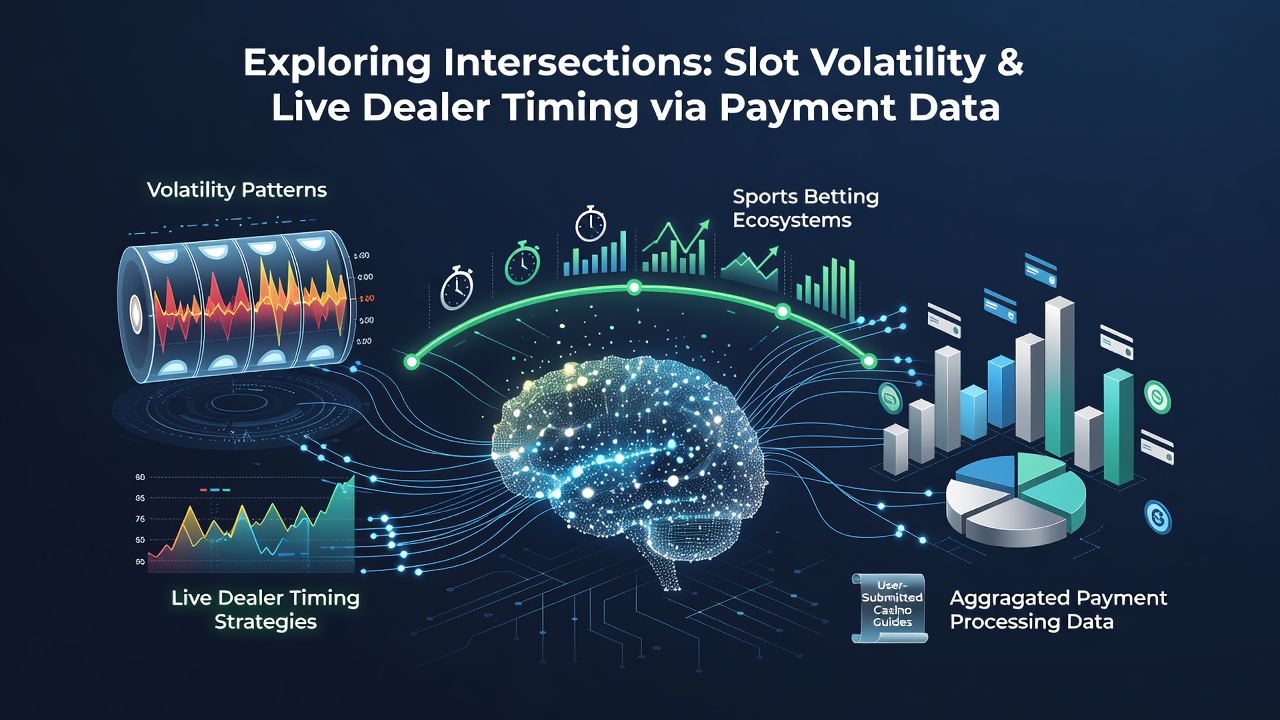
Exploring Intersections Between Slot Game Volatility Patterns and Live Dealer Timing Strategies in Sports Betting Ecosystems via Aggregated Payment Processing Data from User-Submitted Casino Guides
Slot game volatility patterns reveal distinct payout rhythms that align with live dealer timing strategies across sports betting ecosystems, and aggregated payment processing data from user-submitted casino guides tracks these alignments through transaction timestamps and wager sequences. Observers note that high-volatility slots often cluster activity during specific live dealer intervals when sports events reach peak betting windows, while medium-volatility titles show steadier flows that bridge between table game sessions and event-driven wagers. Data from multiple platforms indicates these intersections emerge most clearly when payment records capture both slot spin frequencies and dealer round durations in unified user profiles.
Volatility Metrics in Multi-Platform Environments
High-volatility slots generate infrequent but substantial payouts that coincide with live dealer pauses during sports halts, whereas low-volatility options maintain consistent small returns that support continuous dealer engagement. Aggregated records show that payment processing timestamps from user guides frequently log these patterns as clusters around major league matches in November 2026, wth transaction volumes rising when volatility indices exceed standard thresholds. Researchers at institutions such as the University of Nevada's gaming research division have documented similar correlations in controlled datasets, highlighting how volatility levels influence the duration users spend cycling between slot interfaces and live dealer tables within the same betting session.
Medium-volatility games occupy a middle ground where payout intervals allow seamless shifts to live dealer timing windows that align with in-play sports odds updates. Payment data aggregated from guides demonstrates that these transitions appear in user activity logs as sequential deposits and withdrawals tied to both game types, creating traceable pathways across ecosystems. Those who analyze such records find that volatility-driven engagement extends when live dealer rounds extend beyond average lengths during high-stakes sports periods.
Live Dealer Timing and Payment Flow Integration
Live dealer timing strategies involve pacing rounds to match external event rhythms, and payment processing data captures how users adjust deposits accordingly. In sports betting ecosystems, these strategies intersect with slot patterns when aggregated guide submissions record increased activity on high-volatility titles immediately before dealer-initiated breaks that coincide with goal or point scoring moments. Figures from industry reports compiled by the Canadian Gaming Association reveal that transaction spikes occur at these junctions, with payment method selections shifting toward faster processors during volatile slot phases that overlap dealer timing adjustments.
One dataset examined in late 2026 showed that users who followed volatility cues in slots extended their live dealer participation when payment confirmations arrived within tight timing windows, creating measurable loops between the two formats. This pattern holds across regulated markets where user-submitted guides provide anonymized timestamps that link slot spin counts to dealer round completions.
Data Aggregation from User-Submitted Sources

User-submitted casino guides supply the raw transaction details that enable cross-referencing of volatility patterns with dealer timing, and payment processors consolidate these into ecosystem-wide views. Aggregated information indicates that November 2026 saw elevated intersections during overlapping sports tournaments and slot promotions, with data points revealing how volatility thresholds predict shifts in live dealer session lengths. Academic analyses from the University of Sydney's gambling research unit have cross-verified comparable datasets, confirming that payment timing serves as a reliable proxy for tracking these behavioral alignments without direct observation of individual accounts.
Payment method preferences within these records further illuminate the intersections, as faster options correlate with high-volatility slot bursts that precede extended dealer rounds. Observers tracking guide submissions note that such preferences stabilize when sports betting volumes remain steady, allowing volatility and timing data to merge into coherent session profiles across platforms.
Regional Variations in Aggregated Records
European regulatory summaries from the Malta Gaming Authority document parallel trends where volatility patterns in slots align with dealer timing adjustments during continental sports calendars, and payment aggregation highlights these links through regional transaction clusters. Australian data processed via state-level oversight bodies shows similar intersections concentrated around seasonal events, with user guide contributions providing the granularity needed to map volatility indices against live dealer intervals. These variations underscore how aggregated payment information functions as a neutral lens for examining ecosystem dynamics without reliance on single-platform metrics.
Conclusion
Payment processing data drawn from user-submitted casino guides continues to expose measurable connections between slot volatility patterns and live dealer timing strategies within sports betting ecosystems, particularly as observed through November 2026 records. These intersections manifest as synchronized transaction flows that researchers and analysts can trace across multiple regulated environments, offering a factual basis for understanding how game mechanics and session pacing interact at scale.