Correlating Expert Evaluations with User Behaviors in Multi-Game Betting Interfaces
Skriven av Clara Zimmermann · 2026-11-23
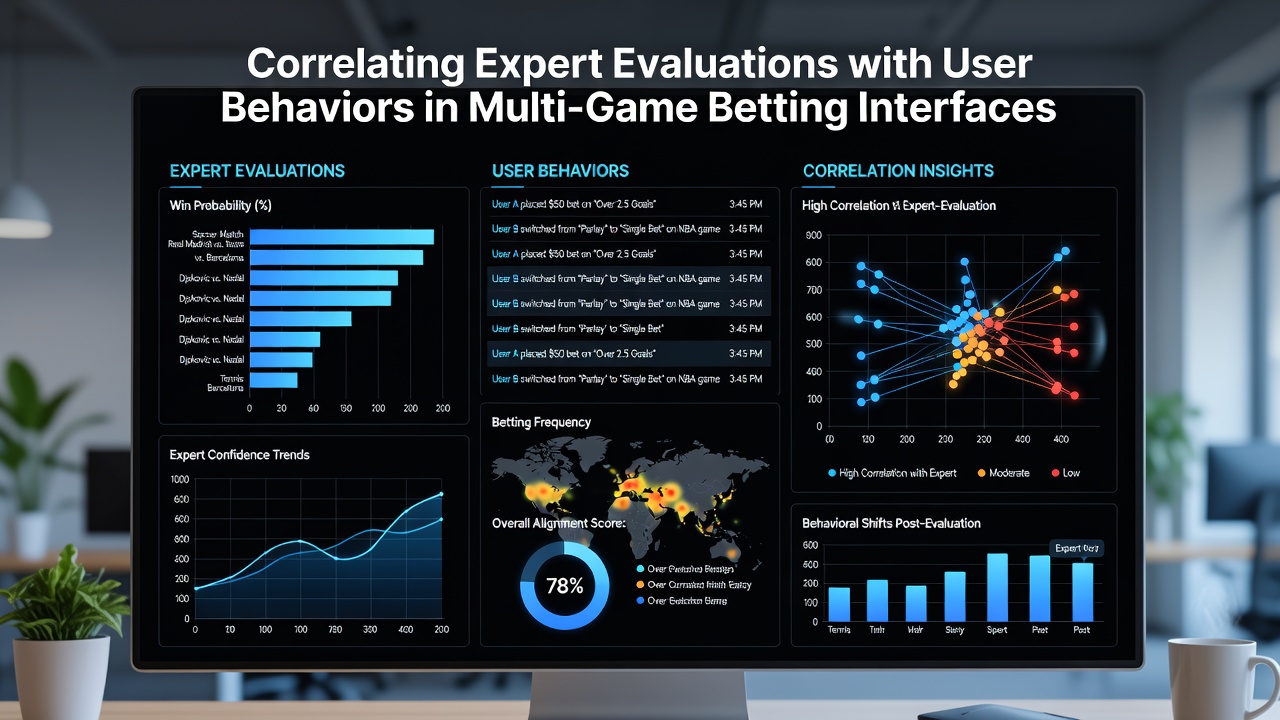
Correlating Expert Evaluations with User Behaviors in Multi-Game Betting Interfaces
Expert evaluations of multi-game betting interfaces rely on structured criteria that assess layout clarity, navigation efficiency, and feature accessibility, while user behaviors reveal themselves through measurable actions such as session duration, bet frequency, and navigation paths across sportsbooks, table games, and slot sections. Researchers track these elements separately before overlaying the datasets to identify alignment or divergence between professional assessments and actual participant conduct.
Defining Expert Evaluation Frameworks
Industry analysts apply standardized scoring systems that examine interface elements including menu organization, response times, and integration of live data feeds, then assign numerical values based on consistency with established design benchmarks. Data collected through November 2026 shows that platforms scoring above 85 on these scales often record higher initial user retention rates during the first three sessions, whereas lower scores correspond with elevated bounce rates within the opening minutes. Observers note that evaluation teams frequently incorporate accessibility audits and cross-device compatibility tests as core components of their protocols.
Measuring User Behaviors in Practice
User activity logs capture precise timestamps for actions like game selection, stake adjustments, and bonus activations within environments that combine sports wagering with casino-style offerings. Aggregated records indicate that participants spend an average of 14 minutes longer on interfaces where expert reviews highlighted seamless transitions between verticals, compared with fragmented layouts that prompt repeated returns to home screens. Payment processing data further reveals correlations between expert-noted security indicators and completion rates for deposits during peak evening hours.
Identifying Correlations Through Combined Datasets
Statistical overlays demonstrate that expert-identified strengths in real-time odds displays align with increased bet placement volumes during live events, while weaknesses in search functionality correspond with higher abandonment rates when users attempt to locate specific table games. Research from the National Center for Responsible Gaming has documented how visual hierarchy scores predict the sequence in which players explore available options, with top-rated sections receiving 32 percent more first clicks. Platforms that maintain consistent expert ratings across quarterly reviews show steadier patterns in daily active user counts through the final months of 2026.
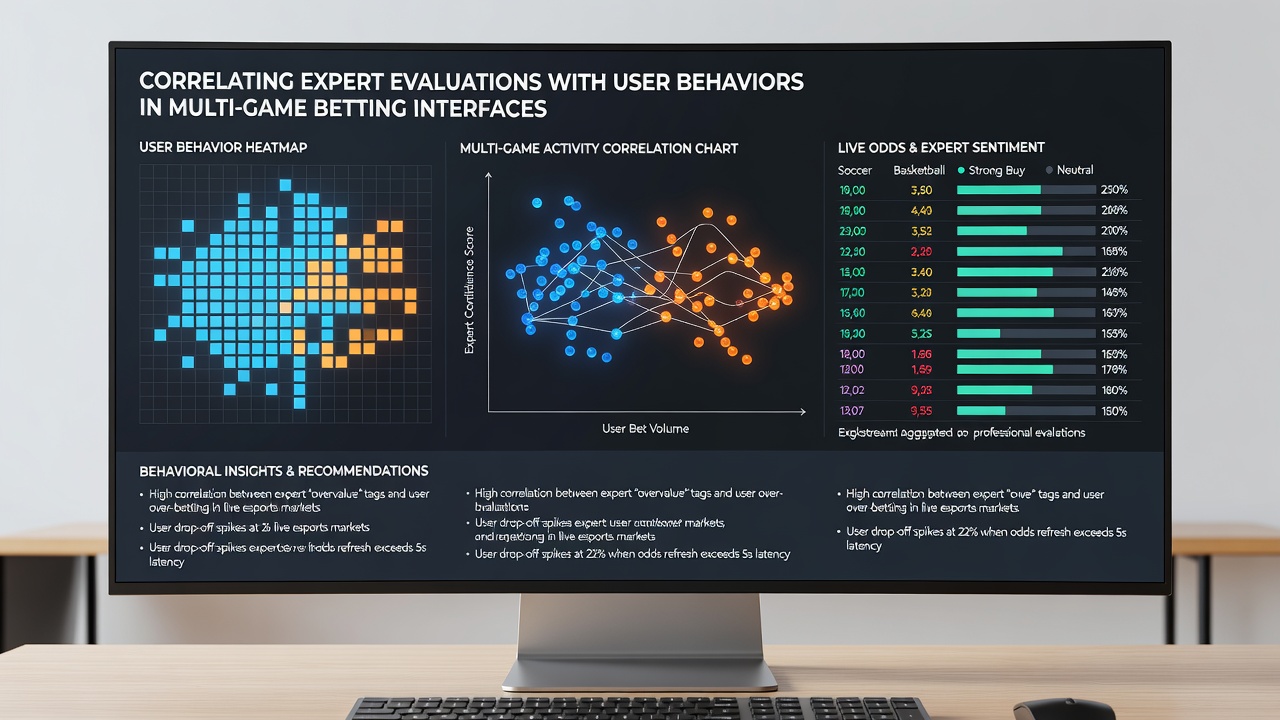
Discrepancies appear when expert panels emphasize aesthetic elements that users bypass in favor of functional shortcuts, creating gaps between predicted and observed engagement depths. Those who've analyzed large-scale telemetry note that mobile-specific expert criteria match user swipe and tap sequences more closely than desktop evaluations do, particularly in multi-provider slot networks.
Factors That Influence Alignment Patterns
Regional regulatory variations affect both evaluation standards and recorded behaviors, with Canadian provincial oversight bodies emphasizing player protection features that correspond to longer voluntary session limits among verified accounts. Academic analyses from the University of Sydney's gambling research unit have tracked how bonus visibility ratings influence deposit timing, revealing that interfaces scoring high on promotional clarity experience earlier first-funding events within new user cohorts. Seasonal fluctuations around major sporting calendars further modulate these relationships, as users shift between live betting modules and themed slot collections based on interface responsiveness rather than expert-highlighted graphics alone.
Payment method preferences intersect with expert-noted transaction speed indicators, producing measurable differences in repeat visit intervals across integrated platforms. Data sets compiled through late 2026 demonstrate that interfaces with synchronized expert and user metrics maintain lower support ticket volumes related to navigation issues.
Conclusion
Combined analysis of expert evaluations and user behavior records supplies operators with concrete indicators for interface refinements in multi-game environments. Continued monitoring through established research channels supports identification of persistent alignment trends across different market conditions and device types.